

The Most Expensive Repairs Are the Ones You Don’t Budget For
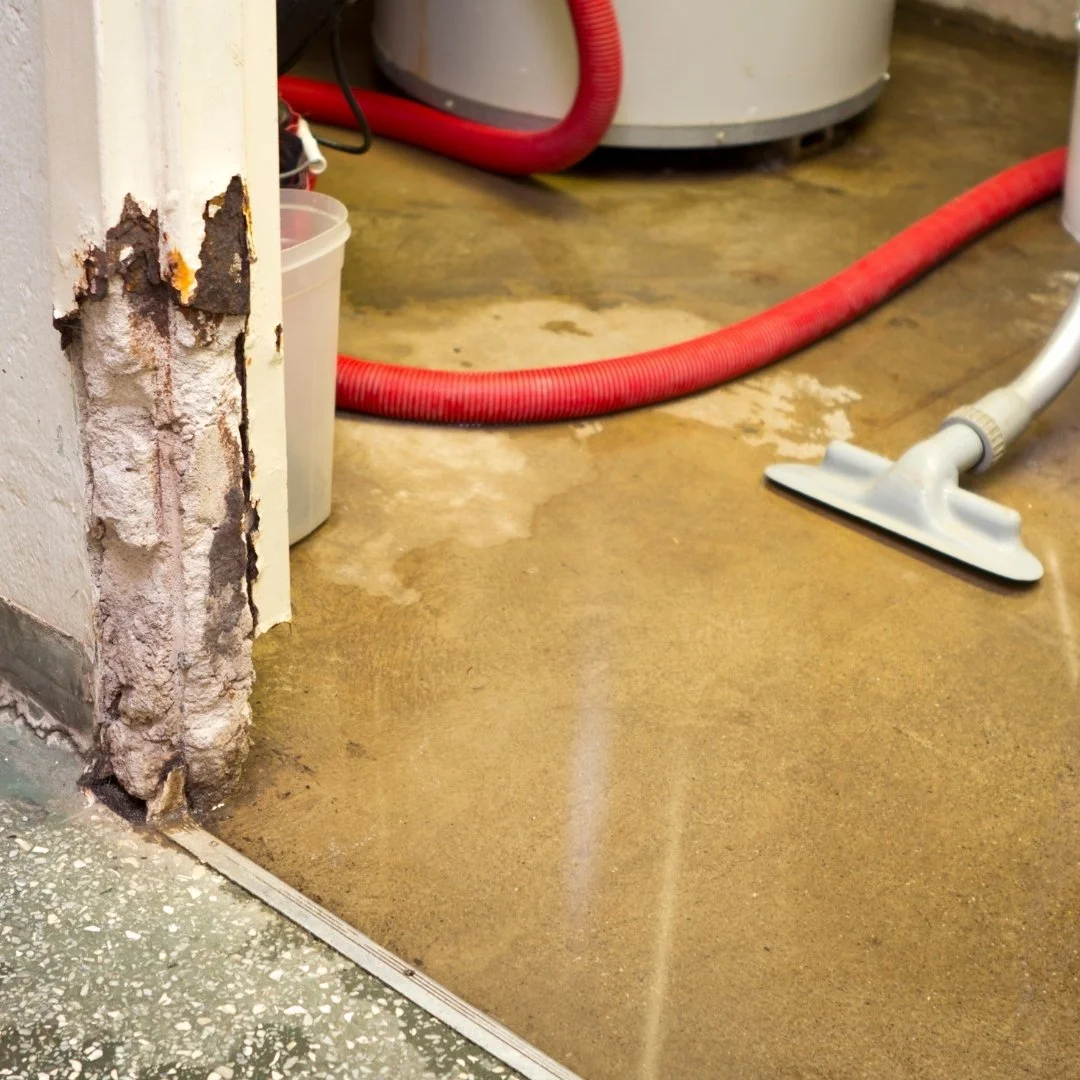
Most real estate investors can recall a repair that seemed to appear without warning. A system failure, a sudden replacement, an urgent call that disrupted both cash flow and operations.
In reality, very few of these costs are truly unexpected. They are the result of predictable wear, deferred decisions, and the absence of long-term capital planning.
Deferred Maintenance Is a Financial Choice
Maintenance deferral does not eliminate cost. It concentrates risk. When repairs are postponed, systems continue to age while their probability of failure increases. What appears to be savings in the short term often becomes a higher-impact expense later, frequently at an inconvenient moment.
This dynamic is especially common with mechanical systems and building envelopes. Repeated patchwork does not extend useful life; it reduces certainty.
Short-Term Savings, Long-Term Exposure
Choosing not to address aging components is not a neutral decision. It is an active trade-off between temporary cash preservation and future volatility. Investors may not feel the effect immediately, but the exposure accumulates quietly.
Buildings Age on Schedules, Not on Hope
Every major component within a property has a defined lifecycle. These timelines are well documented and widely understood across the industry.
Ignoring them during underwriting is not a conservative approach. It introduces optimism into financial projections. An assumption that systems will perform beyond their intended lifespan without consequence.
Why Lifecycle Planning Matters
Capital planning grounded in system age and condition is not an admission that a property is flawed. It is recognition that buildings, like all physical assets, deteriorate in predictable ways.
Why Repairs Rarely Stay Contained
Major repairs rarely exist in isolation.
A replacement project may interrupt leasing, reduce tenant satisfaction, or require temporary vacancy. Emergency work often increases labor costs and compresses timelines, limiting operational flexibility.
The Hidden Costs Beyond the Invoice
While repair invoices are visible, secondary costs often are not. Lost rent, increased turnover, and management strain frequently exceed the direct expense of the repair itself.
How Poor Budgeting Appears in Performance Metrics
Unplanned expenses introduce volatility into operating results.
Cash flow becomes uneven. NOI contracts unpredictably. Over time, this instability influences valuation and cap rate, not because the asset lacks quality, but because its risk profile was underestimated.
Performance Reflects Preparation
Financial metrics do not distinguish between bad luck and poor planning. They simply record outcomes. Properties that lack capital foresight tend to display more erratic performance.
Budgeting as Risk Management
Experienced investors do not budget solely for present conditions. They budget for foreseeable failure points.
Capital reserves, preventive maintenance, and long-term renovation planning are not defensive practices. They are structural safeguards that protect operational continuity.
Controlling Timing, Not Eliminating Cost
The objective of budgeting is not to avoid expenses, but to control when and how they occur. Predictability is often more valuable than marginal savings.
Conclusion
The most expensive repairs are rarely the ones with the highest price tags. They are the ones that arrive without preparation. In real estate, stability is rarely accidental. It is the product of deliberate planning, realistic assumptions, and respect for how buildings actually age.